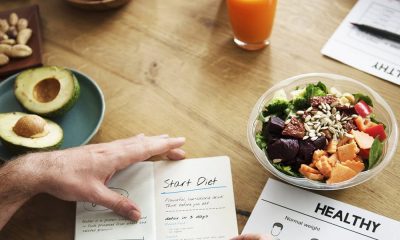
There is an old saying/adage to the effect that you are what you eat. It is not entirely clear where this saying came from, but it does go to the heart of an important emotional and psychological need of how and why people eat food. Nutrition is often thought of in quite a clinical sense as being the nutrients in terms of the various biological benefits that the body takes from various foods and liquids.
Whilst it most certainly is that, nutrition is all so much more in terms of why people eat, and what sort of foods people eat. The second the question of whether it matters from a health point of view what people eat is a more difficult question to address, given that there are wide and extremely differing views as to the effect that any type of food or liquid can have on the body.
Key to this argument is the essential line of thought that the human body can pretty much cope and process anything (within limits) that one puts into it. In order to really address the question of whether nutrition affects health or not it is important to realize eating is also a social or a psychological process as well. Nutrition, in whatever form it comes in, should help supply a number of the needs that the human body requires.
Any additional baggage that comes with the food should be able to be processed by the body and eliminated effectively. The broader context for trying to decide whether it matters what you eat from a health point of view is to look at the broader question of health, and the notion of health prevention in terms of an individual looking after their own health.
To this end it is a good idea to think in terms of using diet or nutrition as a way of increasing and utilising the bodies functions, rather than dumping stuff into the body knowing that it will be able to cope with it. The question of whether or not the body really copes with things that are bad for it is one that is open to much scientific debate.
Many people believe that the body can effectively get rid of any unwanted waste products, whilst other people believe that these have a very detrimental effect on the body and often are key contributors to major illnesses that human beings suffer from. It is difficult to prove either of these, although common sense would imply that it is a good idea to lean on the side of caution.
The real value of health promotion and health prevention is two fold in terms of health and finance. Given the cost of health insurance and the vagaries of most health insurance policies, a real sense of keeping the body fit and well becomes increasingly important. The relevance and importance of what one puts into the body by way of nutrition therefore becomes more of an issue under the spotlight.
Peter Main